Aging is inevitable. Slowing down doesn’t have to be.
Many men begin noticing subtle changes earlier than expected: a sudden dip in daily energy, slower recovery after mild exertion, morning stiffness, and a gradual drop in overall physical performance. The real trap? Most men only start prioritizing their health once these signs begin interfering with their daily lives.
Healthy aging isn’t built on extreme diets, quick fixes, or sporadic weekend workouts. It is forged through consistency, smart movement, and intentional daily habits.
In recent years, the conversation around men’s health has shifted away from pure aesthetics toward long-term performance and longevity. Experts like Dr. Vonda Wright emphasize that as we age, movement quality, muscle maintenance, and recovery become our ultimate metrics of success.
Ultimately, healthy aging is about maintaining the freedom to move confidently, stay independent, and keep doing what you love without limitation. By understanding why strength training is important as we age, you can take control of your physical destiny. Here is how the three pillars of longevity—strength, mobility, and recovery—work together to keep you in the game.
Why Strength Training is Your Ultimate Anti-Aging Tool
One of the biggest misconceptions about getting older is that physical decline is a mandatory sentence. While aging naturally changes the body, it’s actually inactivity that accelerates the clock.
After age 30, men naturally begin losing muscle mass and function—a process known as sarcopenia. Without regular resistance training, this decline quietly erodes your posture, metabolism, coordination, balance, and joint support.
This is exactly why fitness professionals and physicians are placing so much emphasis on strength training anti-aging protocols. Building muscle isn’t just for young athletes; it’s the foundation of physical independence. When we look at the core benefits of strength training for older adults, we aren’t talking about bench pressing for a bigger chest; we are talking about building a body that resists injury and decay.
The Power of Resistance
Properly structured strength training supports healthy aging by safeguarding:
- Muscle mass & bone density: Protecting against fractures, frailty, and osteoporosis.
- Joint stability & posture: Keeping your spine aligned and reducing chronic back and knee pain.
- Metabolic rate: Helping manage weight, blood sugar, and insulin sensitivity.
Moving Beyond the Fear of Heavy Lifting
There is a growing interest in heavy strength training in older adults, and for good reason. While many assume heavier lifting automatically becomes unsafe with age, research shows the exact opposite. When properly supervised and structured, lifting challenging weights significantly improves bone health and functional strength in older populations.
You don’t need to chase reckless, extreme numbers. Instead, focus on intentional, compound movements that mimic real life. This approach is highly effective for strength training for seniors over 70, ensuring they maintain the capability to lift groceries, get up from the floor, and climb stairs without assistance.
A Practical Breakdown: Longevity Movements to Master
To make strength training work for you long-term, your workouts should revolve around functional patterns rather than isolated machine exercises. Here are the foundational movements every man should incorporate:
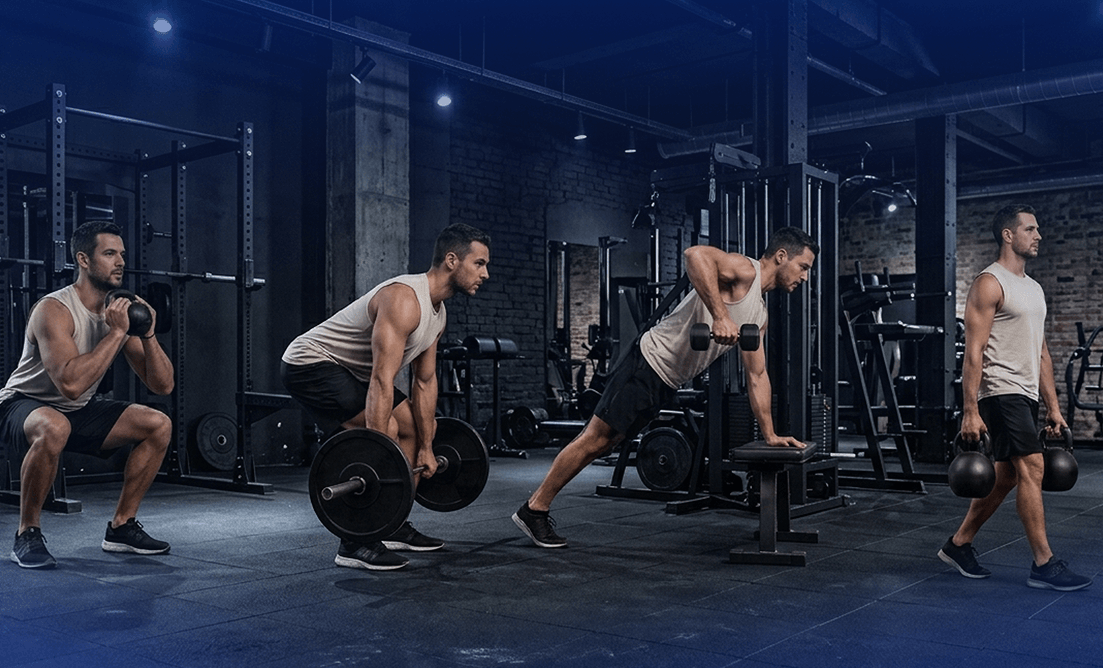
- The Squat Pattern: Whether it’s a goblet squat, bodyweight box squat, or barbell squat, this movement preserves knee and hip mobility while strengthening the quads and glutes.
- The Hinge Pattern: Exercises like deadlifts and Romanian deadlifts (RDLs) target the posterior chain—your hamstrings, glutes, and lower back. This is your primary defense against age-related back pain.
- Push and Pull: Overhead presses, push-ups, and rows ensure that your shoulders remain stable, your chest stays strong, and your upper back prevents you from developing a slouched posture.
- Loaded Carries: Picking up heavy kettlebells or dumbbells and walking with them (Farmer’s Carries) builds grip strength, core stability, and cardiovascular endurance simultaneously.
Mobility: The Missing Link in Men’s Fitness
Many men prioritize strength but completely ignore mobility—until pain or stiffness forces them to pay attention. Strength without mobility is like putting a high-performance engine into a car with locked steering.
Mobility directly impacts your flexibility, coordination, and joint health. When you lose it, even simple, everyday movements become exhausting chores. Longevity-focused movement philosophies combine strength with equilibrium and aerobic exercise, rather than focusing solely on muscle size.
To maintain a high quality of life, your training must support your ability to:
- Bend and rotate comfortably without pinching or straining.
- Maintain sharp balance to prevent unexpected falls.
- Move fluidly through a full, pain-free range of motion.
Mobility training doesn’t need to be complicated or take hours. Committing just 10–15 minutes to dynamic stretching, foam rolling, yoga, or targeted stability work can dramatically change how your body feels.
Moving a joint through its entire range of motion under a safe amount of weight ensures the cartilage stays healthy and lubricated.

Recovery is Part of Performance (Not a Luxury)
One of the most detrimental mistakes men make is treating recovery as an optional reward for when they have extra time. Training creates the stress; recovery yields the progress. Without adequate rest, your performance will inevitably tank, leaving you vulnerable to chronic fatigue, poor sleep, burnout, and a high risk of injury.
As men age, recovering smarter becomes vastly more important than simply training harder. Pushing your body to absolute exhaustion every workout creates destructive physical stress rather than progress.
Many men prioritize strength but completely ignore mobility—until pain or stiffness forces them to pay attention. Strength without mobility is like putting a high-performance engine into a car with locked steering.
Mobility directly impacts your flexibility, coordination, and joint health. When you lose it, even simple, everyday movements become exhausting chores. Longevity-focused movement philosophies combine strength with equilibrium and aerobic exercise, rather than focusing solely on muscle size.
- Sleep: The ultimate performance enhancer. This is when your body releases growth hormone, repairs damaged muscle tissue, and restores cognitive function. Consistently getting 7–8 hours of high-quality sleep is non-negotiable for longevity.
- Nervous System Regulation: Transitioning out of a high-stress “fight or flight” mode via proper hydration, light stretching, and stress management.
- Strategic Rest Days: Knowing when to take a full day off or substitute a high-intensity session for an active-recovery walk.
Nutrition: Fueling Long-Term Strength and Energy
You cannot out-train a poor diet, especially as the birthdays add up. To support muscle mass preservation, cardiovascular health, sharp cognitive performance, and low cellular inflammation, your nutrition must be dialed in.
The number one dietary priority for aging men is maintaining sufficient protein intake. Protein is the literal building block for muscle repair and physical resilience. As we get older, our bodies become less efficient at processing protein (a condition called anabolic resistance), meaning we actually need more high-quality protein to maintain the same amount of muscle.
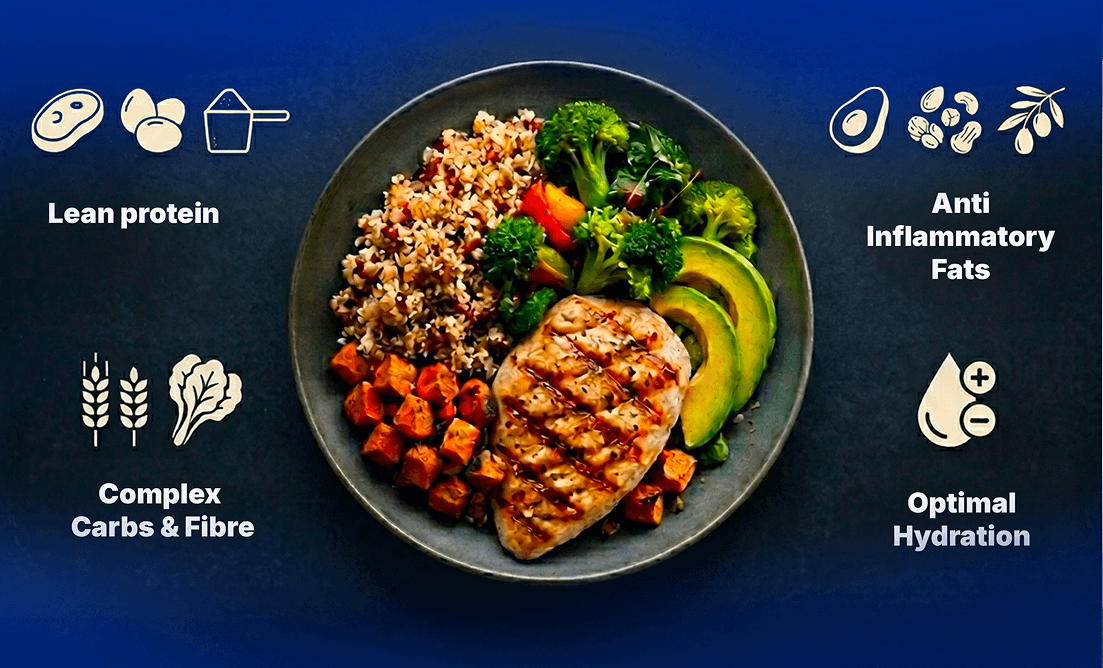
Building a Longevity Plate
- Lean Proteins: Chicken, beef, fish, eggs, and whey protein to stimulate muscle protein synthesis.
- Healthy Fats: Avocados, nuts, olive oil, and omega-3 fatty acids to support hormone production and joint health.
- Complex Carbohydrates & Fiber: Oats, sweet potatoes, and leafy greens to provide sustained energy and support gut health.
- Hydration: Water and electrolytes to keep muscles functioning optimally and prevent cramping.
Consistency here matters far more than perfection; sustainable daily nutrition habits will always beat short-term, restrictive dietary extremes.
Conclusion: Longevity is Earned Daily
The fitness culture is experiencing a massive, welcome shift. Men are looking past short-term physical transformations and asking a better question: “How can I ensure my body works excellently for the next 20, 30, or 40 years?”
There is no single magic supplement or secret workout routine that guarantees longevity. The men who look, feel, and move the best in their later decades are simply the ones who commit to the fundamentals: consistent training, smart recovery, solid nutrition, and daily stress management.
At Vision Elite Training, we believe your physical performance should last a lifetime, not just a season. Through intentional strength programming, mobility integration, and recovery-focused coaching, we help men move better, feel stronger, and perform at a high level for the long haul.
Longevity isn’t built overnight—it’s built through the choices you make consistently every single day.