What if something as simple as moving your body could play a meaningful role in your breast health?
Every October, the pink ribbon reminds us to talk about breast cancer. Alongside screening and early detection, there’s another conversation worth having: how exercise and physical activity fit into breast cancer prevention and recovery.
Research links regular physical activity to a lower risk of developing breast cancer. For women going through treatment or life after a diagnosis, guided exercise can also support energy, physical function, and quality of life. Exercise isn’t a guarantee, and it never replaces medical care, but it is one of the most accessible tools we have for supporting long-term health.
In this blog, we’ll look at what the research says, how much activity is recommended, why strength training matters, and how to approach movement during and after treatment.
Exercise and Breast Cancer Prevention: What Does the Research Say?
The evidence is encouraging. The National Cancer Institute lists physical activity as a factor that lowers breast cancer risk, and studies have consistently found that more active women tend to have a lower risk than less active women. Risk is still shaped by many things outside your control, including genetics, age, and family history, so movement is best seen as one important piece of a bigger picture.
Researchers are still working out exactly why activity helps. Likely factors include its effects on hormone levels, inflammation, insulin regulation, and body weight. You don’t need to understand the biology to benefit, and you don’t have to be an athlete either.
How Much Exercise Do You Actually Need?
You don’t need to spend hours in the gym every day to make movement part of your routine.
The American Cancer Society recommends that adults aim for:
- 150–300 minutes of moderate-intensity activity per week, or
- 75–150 minutes of vigorous-intensity activity per week, or
- A combination of moderate and vigorous activity.
It also recommends including muscle-strengthening activities at least two days per week.
What Counts as Physical Activity?
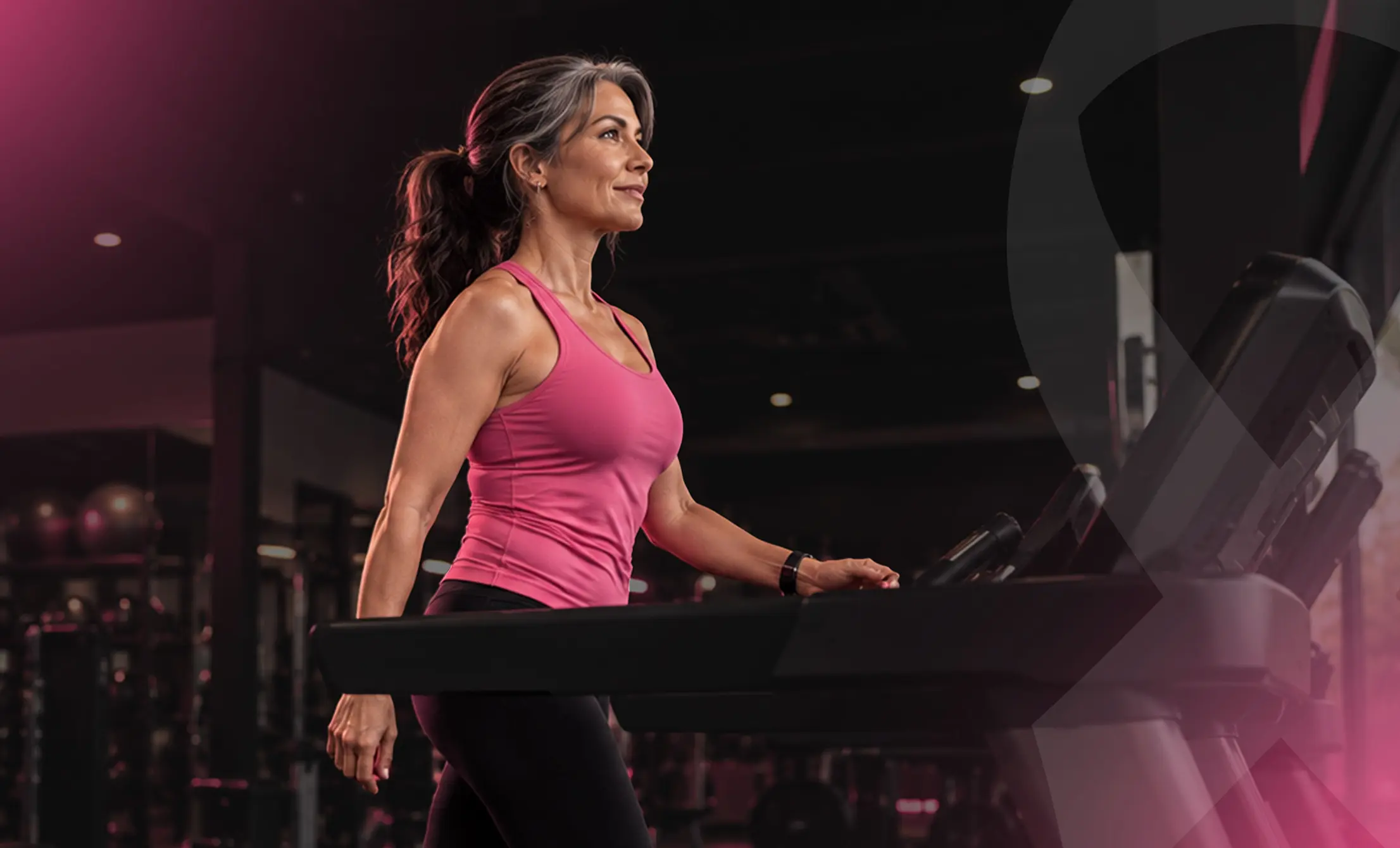
There are plenty of ways to stay active beyond a traditional gym workout. Brisk walking, cycling, swimming, dancing, running, recreational sports, and resistance or strength training can all contribute to your weekly physical activity. Even adding more movement to your everyday routine can make a difference.
If you’re currently inactive, you don’t have to reach the recommended amount immediately. Start with manageable activities and gradually build your routine as you become more comfortable. Small, consistent steps can make staying active easier to maintain.
Why Strength Training Belongs in the Conversation
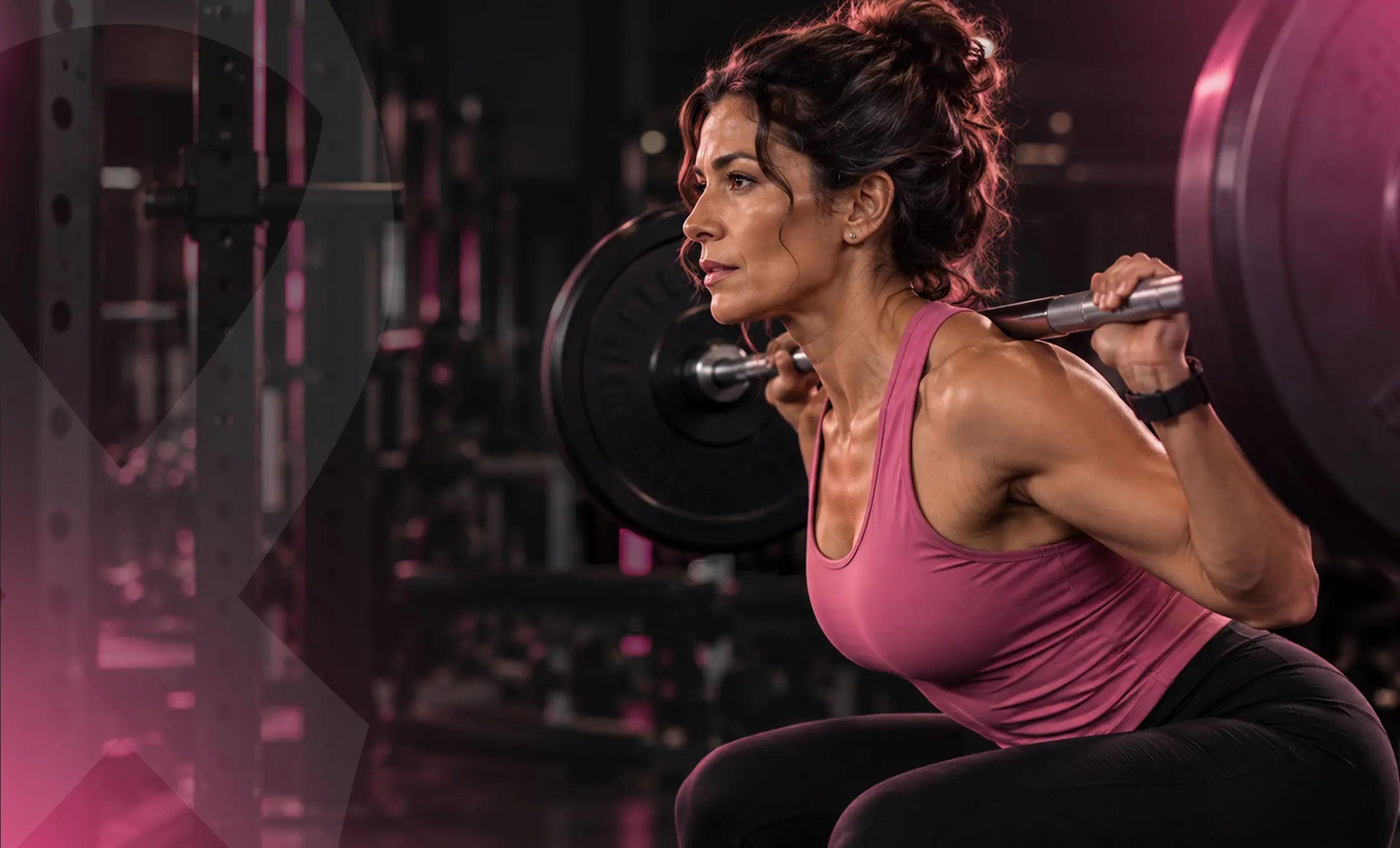
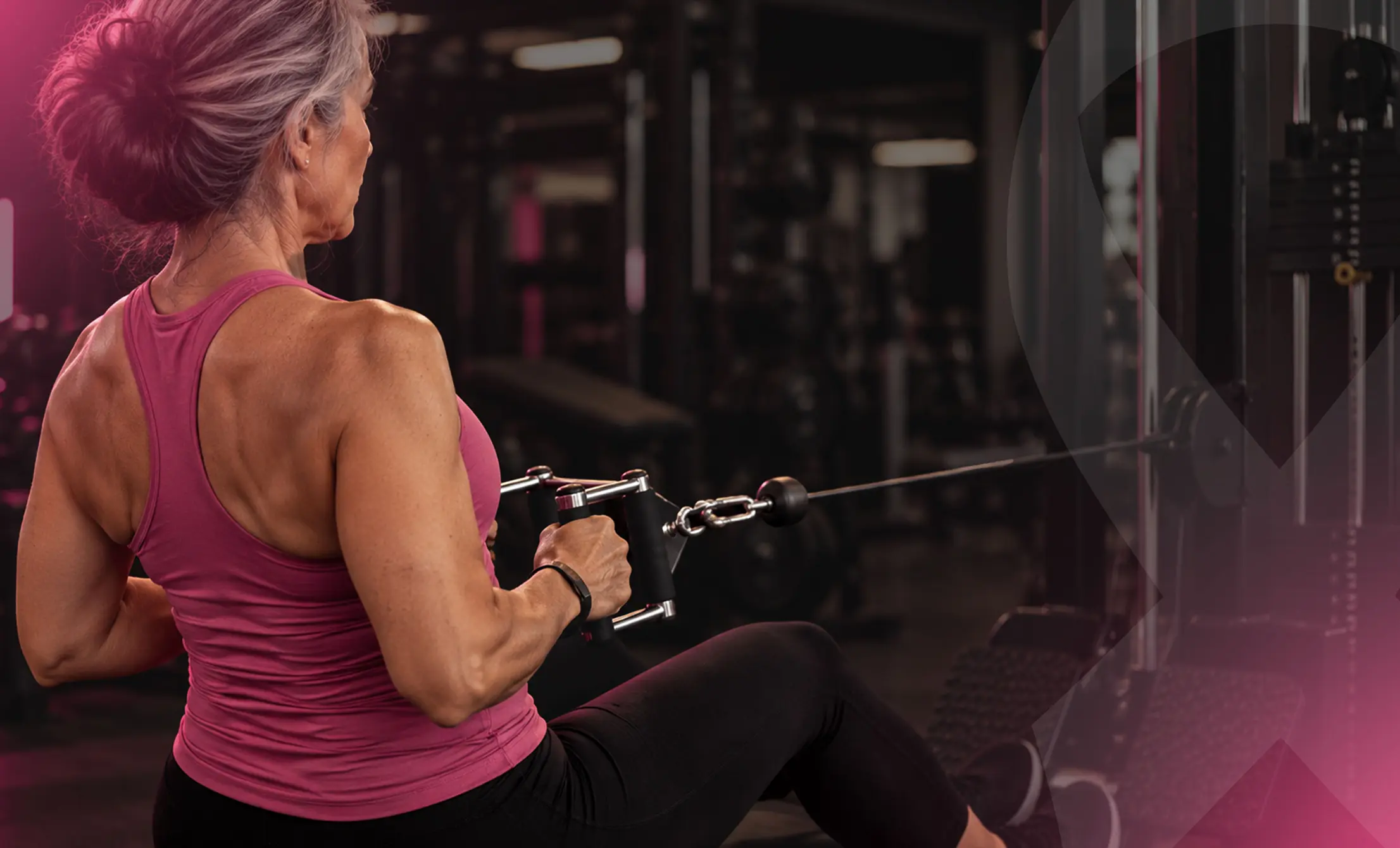
When people think about exercise, cardio usually comes to mind first. But strength training matters just as much for women. Lifting weights or using resistance helps you build and keep muscle, makes everyday tasks easier, and is part of the exercise guidelines for both cancer prevention and survivorship.
Strength training also looks different for every woman. If you’re new to it, you might start by learning basic moves like squats and pushes with good form. If you have more experience, you might follow a program that adds challenge over time. A good coach can help with either one. They build a plan around your goals, your fitness level, and your health, and they increase the difficulty at a pace that works for you, so you’re not stuck with a generic routine.
What About Exercise During Breast Cancer Treatment?
Treatment doesn’t automatically rule out exercise, but it may change how you approach it. Your treatment plan, symptoms, energy level, and overall health all affect what’s right for you.
Talk with your healthcare team before you start or change an exercise program during treatment. They may suggest adjusting how hard, how long, how often, or what type of exercise you do, and they may want you to build in more time to recover. Some people begin with short walks and gentle mobility work. Others can keep doing modified cardio or strength training. There is no universal breast cancer workout, so the best plan is the one that fits you and is coordinated with your care team.
Exercise After Breast Cancer: Can Movement Support Recovery?
For women who have been diagnosed with breast cancer, research suggests that guided physical activity can support recovery. Studies have linked it to improvements in fatigue, physical function, anxiety, mood, and overall quality of life. This is why exercise after breast cancer is increasingly seen as an important part of supportive care.
Research has also found that survivors who are more physically active tend to have a lower risk of recurrence and death. That’s an association, not a promise. Exercise can’t prevent recurrence on its own, but it can work alongside medical care, follow-up visits, nutrition, sleep, and mental well-being.
Start Where You Are
A gradual return to movement can make the process more manageable after treatment. With your doctor’s approval, you might begin with a ten-minute walk, a few mobility exercises, or light resistance work. From there, you can slowly build toward regular activity and strength training as your body allows.
Your energy may change from day to day, and rest is an important part of recovery. If something doesn’t feel right, don’t push through just because a program says so. Listening to your body and staying connected with your healthcare team are both important parts of training safely.

How Vision Elite Training Supports Women
At Vision Elite Training, we believe fitness should meet you where you are. Every woman comes with different goals, experiences, and reasons for moving, so we build training around the individual. That can mean one-on-one personal training, strength training, functional fitness, or supportive small-group sessions where you can work at your own pace.
A Journey That Became a Purpose
That belief is personal for our team. Mary Mileo, Vision Elite Personal Trainer and Fitness Nutrition Specialist, is a breast cancer survivor. She knows firsthand how hard it can be to rebuild strength and confidence after a diagnosis, and that experience shapes how she coaches.
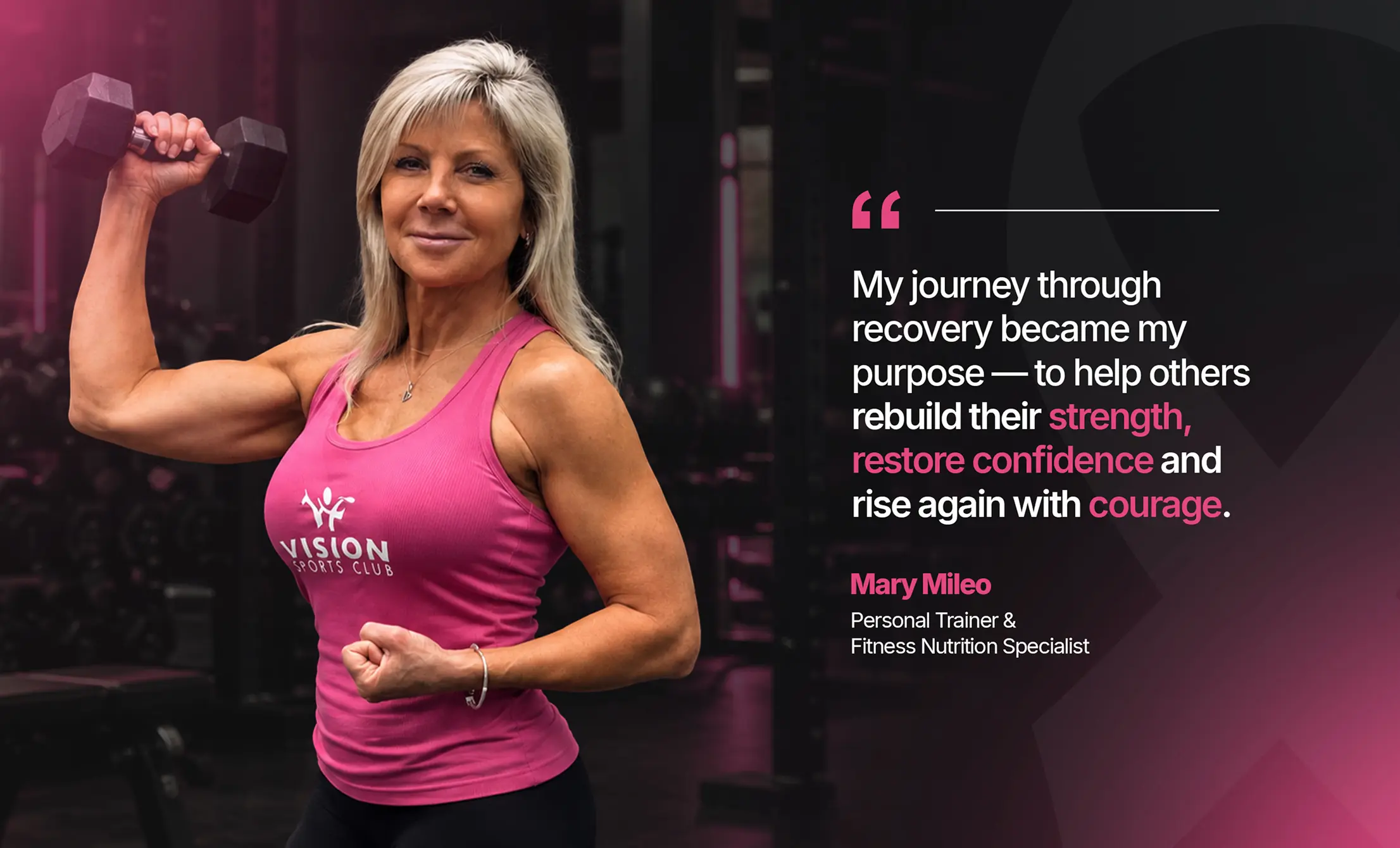
Because Mary has been there, she understands that progress isn’t always a straight line, and that some days the win is simply showing up. She brings professional training and real empathy to every woman she works with.
Keep Moving Beyond October
The pink ribbon is a reminder to stay aware, but women’s health matters all year. Know your risk, keep up with recommended screenings, talk to your doctor about any concerns, and make movement a regular part of your life.
Whether you’re taking your first walk, returning to exercise after treatment, or working toward a new fitness goal, you don’t have to figure it out alone.
Ready to take the next step? Book your free consultation with Vision Elite Training, and we’ll build a plan around your body, your goals, and your pace.