If your workouts feel harder, recovery takes longer, or your body composition is shifting despite consistent effort, nutrition may be the missing piece.
As women move through their 40s and into perimenopause, hormonal changes begin to influence muscle mass, metabolism, and energy levels. During this phase, preserving lean muscle becomes increasingly important for long-term health and strength.
Protein plays a central role in maintaining muscle, supporting metabolic function, and improving recovery from strength training. Yet many women continue following eating habits that no longer match their body’s evolving needs.
At Vision Elite, one of the most common questions we hear is, “What is the best source of protein for women over 40?” The answer is not about a single food. It is about prioritizing high-quality protein, consuming adequate amounts daily, and aligning intake with your strength training, metabolic health, and long-term longevity goals.
Why Protein Needs Increase With Age
As Estrogen levels gradually decline, the body becomes less efficient at maintaining muscle tissue. This natural process can lead to a gradual decrease in lean muscle mass and a slower metabolism.
Because muscle tissue influences how many calories your body burns at rest, preserving it becomes essential. Without adequate protein intake, muscle repair and growth are limited, even with regular resistance training.
To maintain strength and bone health during midlife, protein intake must align with training demands.
The Link Between Protein, Muscle, & Metabolic Health
Lean muscle plays a powerful role in metabolic function. The more muscle you maintain, the better your body regulates energy and supports fat metabolism.
Adequate protein intake helps:
- Repair muscle fibers after training
- Stimulate muscle protein synthesis
- Support healthy body composition
- Improve recovery between sessions
When strength training is paired with sufficient protein, women are more likely to maintain muscle and sustain long-term metabolic health.
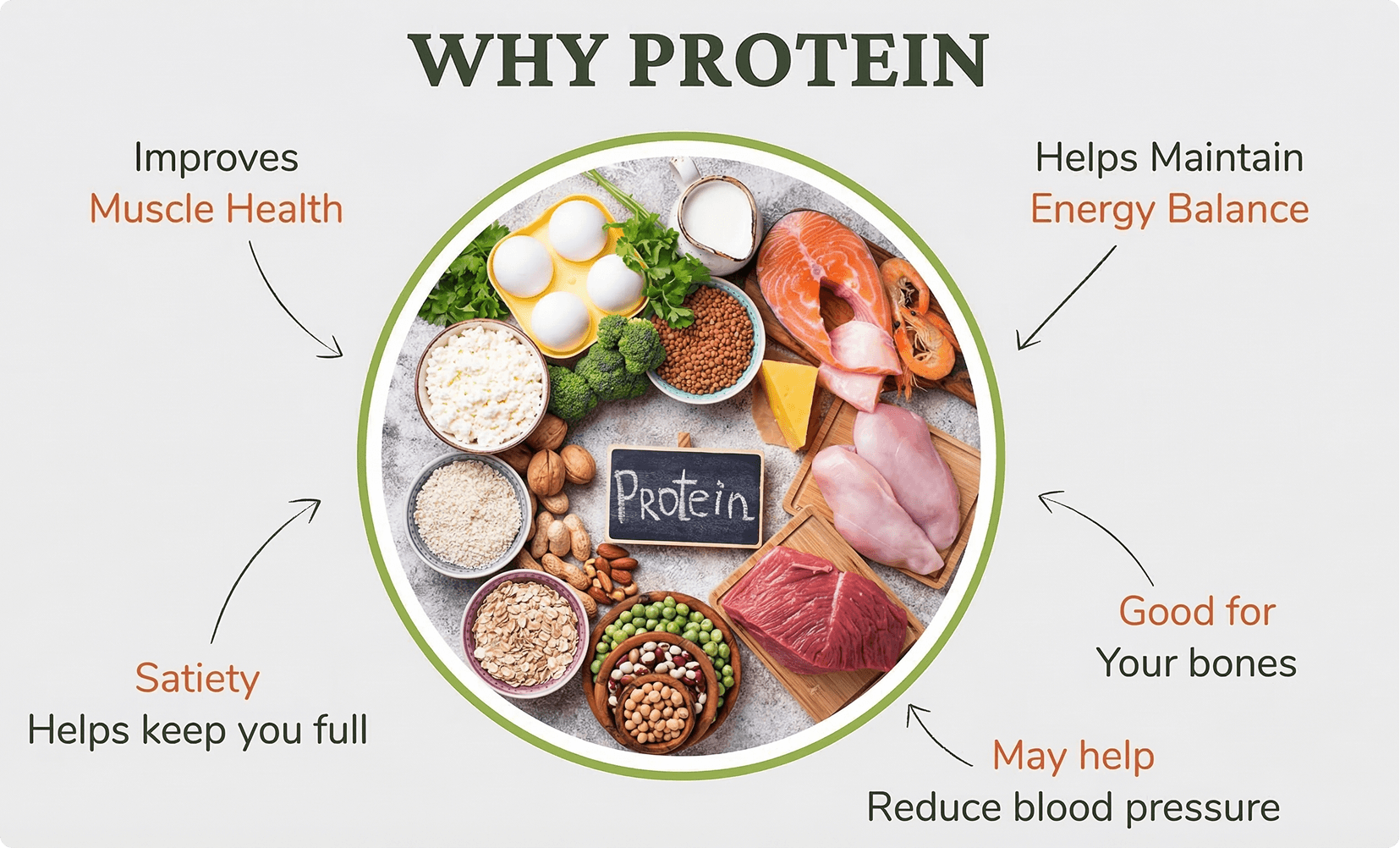
Protein and Hormone Balance During Perimenopause and Menopause
During perimenopause and menopause, hormone fluctuations can impact energy levels, appetite, and blood sugar regulation. Protein plays a key role in stabilizing blood sugar, which helps reduce energy crashes and cravings.
Stable blood sugar levels also support cortisol balance. Chronically elevated cortisol can contribute to fat storage, especially around the midsection. Adequate protein intake helps moderate these fluctuations.
Proper perimenopause nutrition should focus on preserving muscle, supporting metabolic health, and maintaining consistent energy. Protein becomes an essential tool during this transition.
How Much Protein Do Women Over 40 Actually Need
The standard recommended daily allowance for protein is often too low for active women over 40.
For women who strength train regularly, protein needs are typically higher. A common guideline for active women is approximately 1.6 to 2.2 grams of protein per kilogram of body weight per day. Individual needs vary based on activity level, body composition goals, and overall health.
It is also important to distribute protein evenly across meals rather than consuming most of it at dinner. Including high-quality protein at breakfast, lunch, and post-workout meals helps optimize muscle protein synthesis.
Women who are strength training should view protein as a daily priority, not an occasional focus.
Practical Meal Strategies to Meet Your Protein Needs
Knowing your protein target is one thing. Consistently reaching it is another.
The key is intentional planning. Instead of adding protein as an afterthought, build each meal around it.
Here are simple strategies to make that easier:
Start your day with protein
Include eggs, Greek yogurt, or a protein smoothie at breakfast. Beginning the day with adequate protein supports muscle protein synthesis and helps stabilize blood sugar.
Snack smart
Choose options like cottage cheese, hard-boiled eggs, edamame, turkey roll-ups, or a high-quality protein bar instead of low-protein snack foods.
Plan protein at every meal
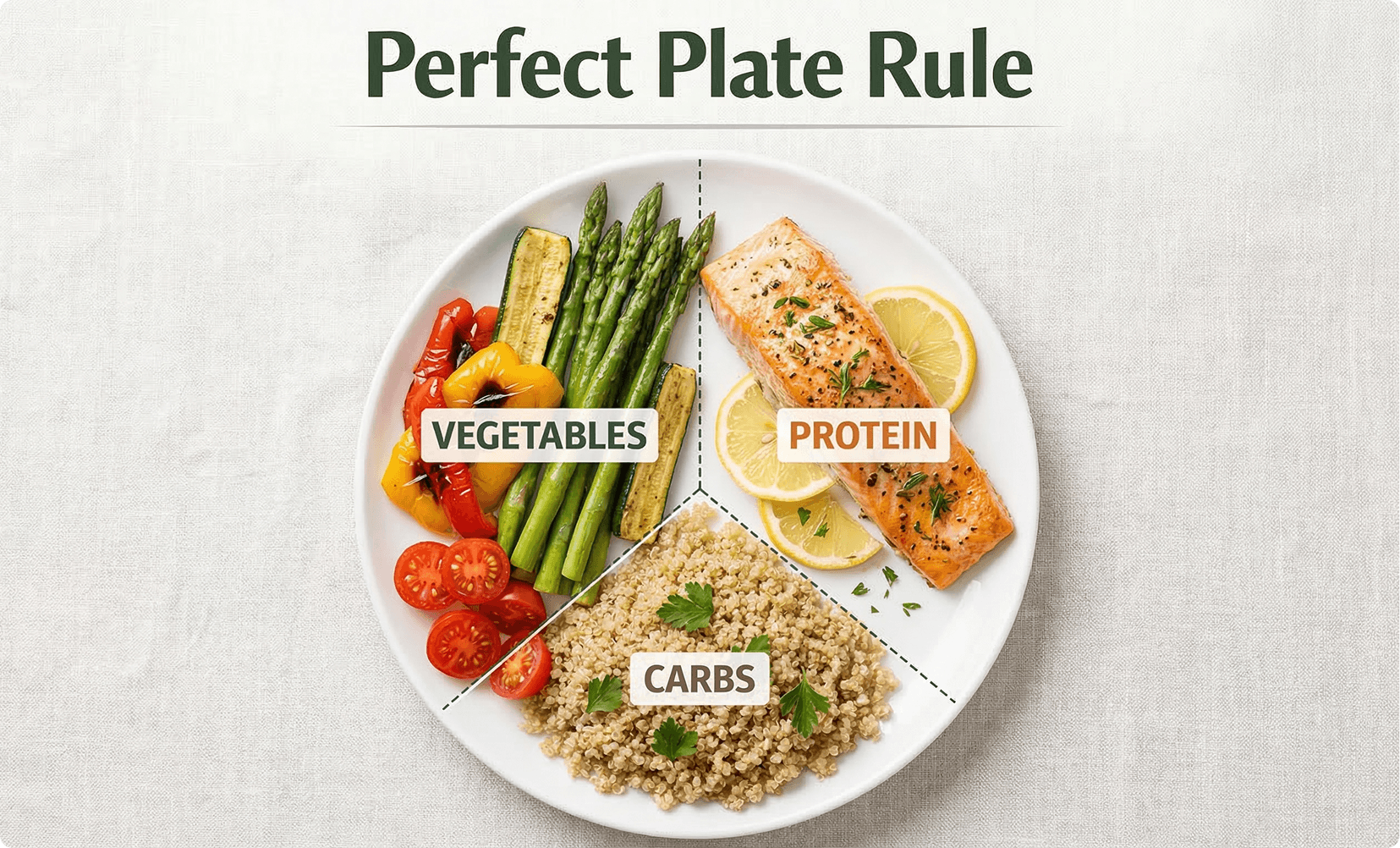
Before adding sides, identify your primary protein source. Structure your plate around it.
Supplement if needed
Whey or plant-based protein powders can help bridge the gap, especially around workouts or during busy schedules when whole-food meals are not practical.
Example: 150 lb Woman With a Goal of 120g Protein Per Day
To make this practical, here is how a full day might look.
Breakfast Ideas Approximately 30g Protein
- 2 whole eggs plus ½ cup egg whites with vegetables scrambled, approximately 17g
- ¾ cup Greek yogurt, approximately 15g
- Overnight oats or chia pudding with one scoop of whey or plant protein, approximately 20g
Combining two of these options easily brings breakfast close to 30 grams.
Lunch Ideas Approximately 30g Protein
- Grilled chicken salad with 4 ounces chicken breast, avocado, and mixed greens, approximately 28g
- Lentil and quinoa bowl with tahini dressing, approximately 20 to 25g
- Tuna wrap with one can tuna, spinach, and whole grain tortilla, approximately 30g
Snack Ideas Approximately 20g Protein
- Protein shake with one scoop whey or plant protein
- Hard-boiled eggs with a cheese stick
- Edamame paired with almonds
- Turkey roll-ups
- Cottage cheese with berries
Dinner Ideas Approximately 30g Protein
- Salmon filet, 4 to 5 ounces, with roasted vegetables, approximately 30g
- Turkey meatballs with lentil pasta and tomato sauce, approximately 28g
- Tofu stir fry with mixed vegetables and brown rice, approximately 25g
Reaching your protein goal does not require extreme dieting. It requires structure, consistency, and intentional food choices.
When combined with strength training, this level of protein intake supports muscle preservation, metabolic health, and long-term resilience.
Best Protein Sources for Women
Choosing the right protein sources is just as important as meeting your daily protein target. Quality matters. Foods rich in complete amino acids support muscle repair, recovery, and overall metabolic health more effectively.
Strong protein options include:
- Lean meats such as chicken, turkey, and lean cuts of beef
- Fatty fish like salmon, which also supports hormone health
- Eggs, which provide highly bioavailable protein
- Greek yogurt and cottage cheese
- Tofu and tempeh for plant-based option
- Lentils and legumes paired with complementary proteins
- High-quality protein powders when whole foods are not practical
Rather than dramatically changing your diet, start by upgrading what is already on your plate. Adding protein to breakfast, increasing portion sizes slightly, or swapping lower-protein options for more nutrient-dense alternatives can significantly improve daily intake.
If you are unsure how to make those adjustments, small changes can go a long way. In our previous guide on 10 Healthy Food Swaps, we share practical substitutions that help increase nutrient density and support muscle preservation without extreme dieting. These simple upgrades can make it easier to align your meals with your strength goals.
The goal is not restriction. The goal is strategic fueling that supports muscle, energy, and long-term health.

Common Protein Mistakes
Many women unintentionally under-eat protein, especially at breakfast and lunch. Others focus heavily on calorie restriction without considering muscle preservation.
Common mistakes include:
- Skipping protein earlier in the day
- Relying only on salads or low-protein meals
- Increasing cardio while under-fueling
- Avoiding protein due to fear of weight gain
Long term, these habits can contribute to muscle loss and slower metabolism.
Strength, Longevity, and Smart Nutrition at Vision Elite
Muscle preservation becomes increasingly important as your body evolves. Nutrition and strength training must work together to support performance, metabolic health, and long-term resilience.
At Vision Elite, we do not believe in generic meal plans or one-size-fits-all advice. Our Nutrition Specialist, Mary, works closely with members to design customized nutrition plans based on individual goals, activity levels, and hormonal considerations. Whether your focus is fat loss, muscle preservation, or improving energy, your plan should reflect your stage of life and training demands.
We also use our advanced 3D body scanner to go beyond the number on the scale. This technology allows us to measure body composition, track lean muscle mass, monitor fat distribution, and assess progress accurately over time. Instead of guessing, we rely on data to guide your nutrition and strength strategy.
Because real results come from precision, not restriction.
Protein is not just about building muscle. It is about protecting your strength, confidence, and independence for years to come.
If you are ready to align your nutrition with your training, our team is here to support you every step of the way.
Train for Life at Vision Elite.